Missing Pages: What to Do If Your Scan Is Incomplete

Missing Pages: What to Do If Your Scan Is Incomplete You can solve most incomplete scan problems quickly, but the wrong fix is expensive: translating what you have and hoping the missing page does not matter. For official submissions, that gamble often creates a second round of cost, delay, and stress because the receiving body […]
Decimals and Separators: Avoiding 1,000 vs 1.000 Errors in Translation

Numbers look universal until they cross a language border. A comma or full stop can quietly change how a total, percentage, tax figure, dosage, or measurement is understood. In one document, 1,000 means one thousand. In another, 1.000 means the same value. To a UK reader, though, 1.000 can read like one point zero. That […]
Address Translation Rules: Transliteration, Postcodes and “Don’t Normalise”

Address Translation Rules: Transliteration, Postcodes and “Don’t Normalise” Address errors in translated documents rarely look dramatic. More often, they appear tidy, reasonable, and “helpful” until a bank, university, court, or visa officer notices that the translated address no longer matches the source record exactly. In official document translation, this is where problems begin. For UK […]
Batch Ordering in London: Translating Multiple Documents Faster

Batch Ordering in London: Translating Multiple Documents Faster When you need several documents translated for one deadline, speed rarely comes from rushing each file separately. It comes from building one clean pack, requesting one quote, setting one timeline, and giving the translator one clear set of instructions from the start. These batch document translation tips […]
Urgent Translation Planning Without Panic: A 24-Hour Submission Plan
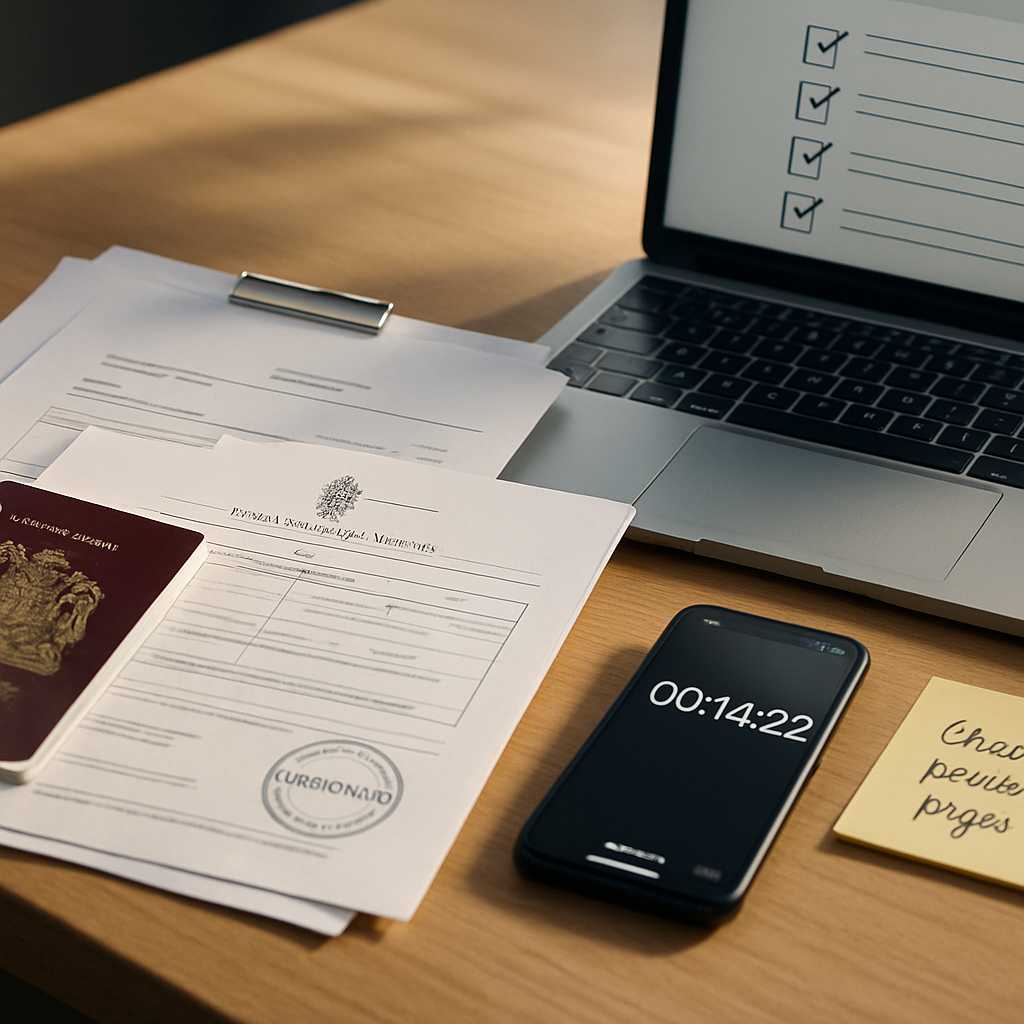
A tight deadline does not automatically create a difficult translation project. Panic does. The real problem is rarely the translation alone. It is the combination of missing pages, unclear authority requirements, inconsistent names, poor scans, and rushed decisions about what needs to be certified and when. That is why urgent translation planning matters more than […]
Overpaying for Rush Translation: 8 Avoidable Mistakes

Urgent translation does not have to become expensive translation. Most people do not overpay because the document is genuinely difficult. They overpay because the order is rushed in the wrong way: the deadline is tighter than it needs to be, the scans are unclear, the documents arrive in pieces, or the certification level is guessed […]
Embassy Requirements: 7 Questions to Ask Before You Order

The expensive mistake is rarely the translation itself. It is ordering the wrong thing. People usually discover this after they have already paid: the embassy wanted a different submission language, a sworn translator instead of a standard certification, a full translation instead of selected pages, or an apostille on the source document rather than on […]
Sworn Translation: When It Is Really Required for Overseas Authorities

Sworn Translation: When It Is Really Required for Overseas Authorities If you are sending documents outside the UK, one of the easiest mistakes to make is assuming that every authority means the same thing by “official translation.” They do not. In the UK, a standard certified translation is often enough. Overseas, however, some authorities want […]
Notarised Translation in London: When You Need a Notary (and When You Don’t)

If you have been told to provide a translated document for an embassy, court, overseas registry, university, or visa application, one question usually appears almost immediately: do you need a certified translation, or do you need it notarised too? That distinction matters more than most people realise. Get it right and your document pack moves […]
Certified Copy vs Certified Translation: The Difference That Trips People Up

The Difference Between Certified Copy and Certified Translation The difference between a certified copy and a certified translation may seem minor, but it can lead to significant delays in applications, filings, enrollments, or legal processes. Many individuals mistakenly order the wrong service due to the similar terminology, yet these two services address entirely different needs. […]